
US Real Estate SEO Services Without Link Shortcuts
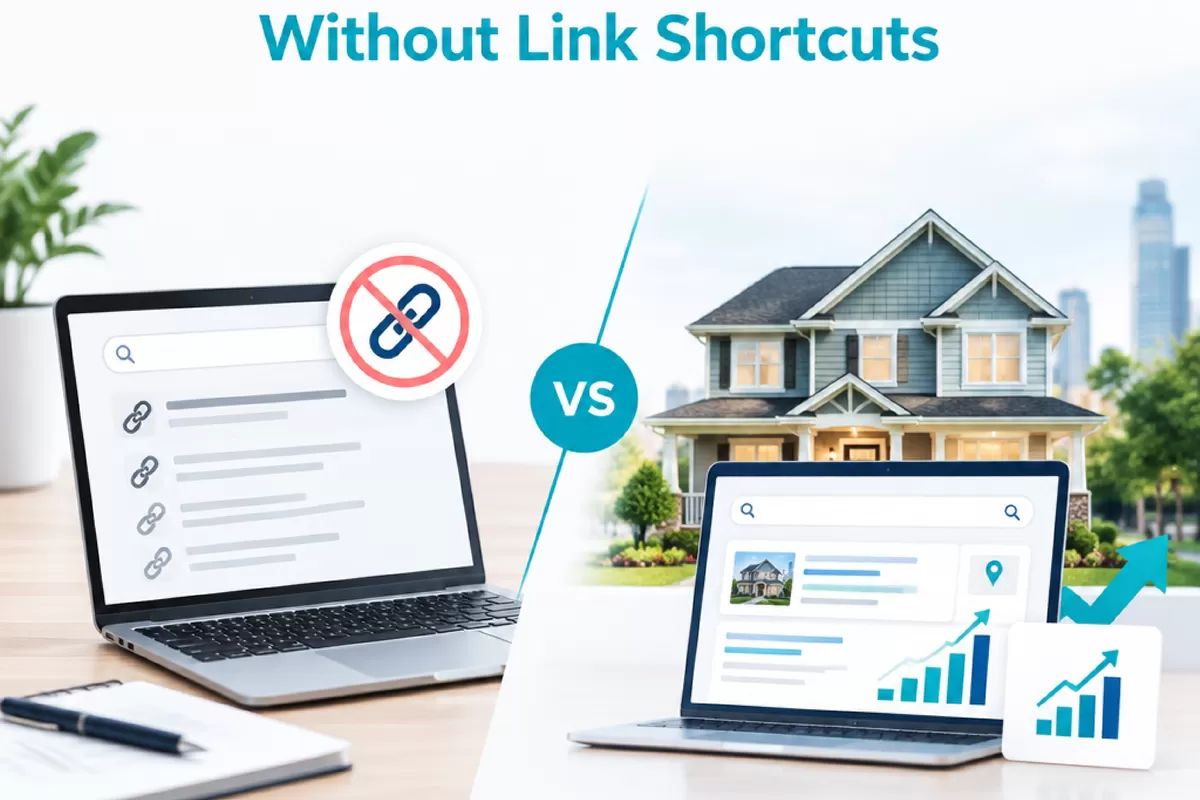 For real estate businesses in the United States, a link-building plan can raise a practical question: how do you earn relevant references without buying links or chasing shortcuts? A useful answer starts with the role links play. They can help people find worthwhile resources and give search engines context about a business, but they cannot make a slow website useful or a thin neighborhood page credible.
Real estate SEO services work best when link building supports technical health, useful content, and local visibility rather than standing alone. This article explains the difference between earning references and manipulating link signals, what resources may merit a reference, and how to assess whether link building fits your broader SEO plan.
Ethical link building starts with something worth referencing
A relevant reference is a link that makes sense for the person reading the page. For a real estate business, that might mean a local organization or resource page pointing readers to a genuinely useful guide. The link is there because it helps explain a topic or answer a question, not because someone was paid to place a keyword-heavy link.
Useful resources can take several forms. A brokerage might publish a plain-language checklist for comparing properties, a guide to preparing for a first showing, or a carefully sourced explanation of common local housing terms. An agent could create a neighborhood overview that distinguishes commute options, housing types, and local amenities without making unsupported claims. The value is in answering a real question clearly and keeping details accurate.
By contrast, manipulative shortcuts try to create the appearance of endorsement without a sound editorial reason. Examples include buying links intended to influence rankings, placing keyword-stuffed links on unrelated websites, or joining schemes built around exchanging links at scale. These approaches can put a site at risk and often bring little value to actual buyers, sellers, or renters. A high link count is not proof that a campaign is sound.
Before investing in a resource, ask whether it has a clear audience, whether its claims can be checked, and whether it would still be useful if it never earned a link. Check dates on market-related information and avoid presenting general educational material as legal, tax, or financial advice. Where rules vary by state or municipality, say so and direct readers to an appropriate local authority for current requirements.
How links fit with content and technical SEO
Links are only one part of a search program. Technical SEO covers the site conditions that help search engines access and understand pages. That includes checking indexability, fixing broken internal links, using a sensible page structure, and making sure key pages work well on mobile. If a valuable guide is blocked from indexing or buried several clicks deep, an outside reference may not help it reach its audience.
Content also needs a clear job. A page about preparing a home for sale should offer specific, practical steps, not repeat broad advice found everywhere. A local market page should explain what it covers and when it was reviewed. For a property business, useful content may help someone understand a process or evaluate an area, while service pages should make it clear what the business offers and where it operates.
Link building can support those pages when the information is relevant to readers elsewhere. It should not be treated as a way to compensate for missing content or technical problems. A sensible review might look at one resource at a time: Is the page accurate? Can visitors find it? Does it serve a real audience? Is there a credible reason another site would refer to it? If the answer is no, improve the page before making link acquisition the priority.
For a business comparing an integrated approach, real estate seo services can bring together technical fixes, local visibility, content, ethical link building, and optimization for answer engines. When evaluating any provider, ask how these parts will be coordinated, what will be reported, and how progress will be tied to qualified inquiries rather than link totals alone.
Evaluate local visibility and link quality in the United States
Local search behavior matters for agents, brokerages, property managers, and other real estate businesses serving specific US communities. People may search for an agent or brokerage near them, a service in a named city, or information about a neighborhood. A strong local program makes it easy to understand the business, its service area, and the pages that answer those searches.
Start with the basics. Keep the business name, address, and phone number (NAP) consistent across listings where the business is eligible to appear. Maintain an accurate Google Business Profile, using appropriate categories and service-area details. Follow the current profile rules for the business model and location rather than creating listings for offices or locations that do not qualify. Reviews can help prospective clients assess a business, so request honest feedback through a consistent process and respond professionally.
Local landing pages should offer more than a city name swapped into a template. A page for a neighborhood or city needs information that is genuinely relevant to that place, such as the services offered there, local considerations, or links to useful resources. Avoid publishing many near-identical pages just to target variations of “near me.” Thin, repetitive pages can frustrate visitors and do little to clarify what the business actually serves.
When checking an earned link, consider the source, the surrounding context, and the likely reader. Is the referring page related to housing, the community, or a useful local topic? Does the link appear naturally within relevant content? Would someone plausibly follow it? Also look at how the link was obtained. If a vendor cannot explain the process clearly, promises a fixed ranking, or focuses mainly on exact-match anchors and volume, ask for a more transparent account before proceeding.
Review results alongside the rest of the program. Search visibility, profile engagement, relevant visits, and qualified leads can help show whether work is moving in a useful direction, though no single metric proves that a particular link caused a result. Keep a record of completed technical fixes, published resources, profile updates, and link activity. That makes it easier to spot gaps and decide what to improve next.
A practical next step is to choose one important local page or resource and audit it before pursuing more links. Confirm that it is accurate, accessible, useful to its intended audience, and easy to reach from the site. Then assess whether an outside reference would genuinely help readers discover it. That sequence keeps link building in its proper place: a transparent part of real estate SEO, not a substitute for a credible site and useful local information.