
Questions to Ask a San Antonio Clinic Before Starting Bioidentical Hormone Therapy
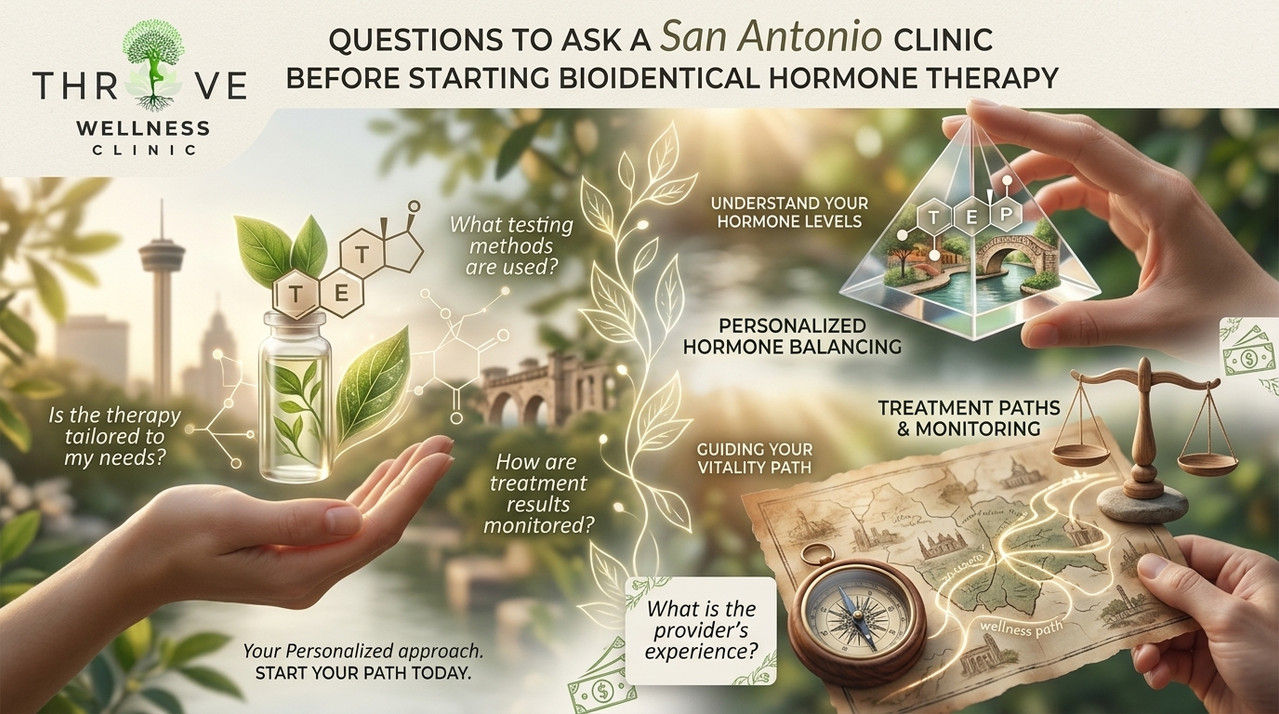
Starting bioidentical hormone therapy is an important healthcare decision. Before beginning treatment, patients should understand why hormone therapy is being recommended, what testing is needed, which options are available, and how progress will be monitored. Asking the right questions can help you choose a qualified clinic and make informed decisions about your care.
What Is Bioidentical Hormone Therapy?
Bioidentical hormone therapy uses hormones that are chemically identical or structurally the same as hormones naturally produced by the body. Depending on individual needs, treatment may involve hormones such as estrogen, progesterone, or testosterone. Bio identical hormone therapy may be considered for symptoms associated with hormone changes, but treatment should be based on an individualized medical evaluation rather than symptoms alone.
For patients searching for bioidentical hormone therapy San Antonio, choosing the right clinic matters. A good provider should evaluate your health history, symptoms, medications, laboratory results, and personal goals before recommending treatment. You can learn more about local care through bioidentical therapy San Antonio.
10 Questions to Ask Before Starting Treatment
1. Am I a Good Candidate for Bioidentical Hormone Therapy?
Ask the provider whether your symptoms and medical history make hormone therapy appropriate. Common concerns may include hot flashes, night sweats, vaginal symptoms, changes in menstrual cycles, reduced libido, sleep difficulties, or other symptoms associated with hormonal changes.
A responsible provider should also discuss conditions or medications that could affect whether treatment is appropriate.
2. What Hormones Will You Test?
Ask which hormones and health markers will be evaluated before treatment. Depending on your situation, testing may include relevant sex hormones along with thyroid, metabolic, or other health markers.
Laboratory testing should support—not replace—a complete medical assessment.
3. Do I Need Blood Tests Before Starting?
Ask which labs are recommended and why. A clinic should explain what each test is intended to evaluate and whether repeat testing will be necessary.
Testing requirements can differ based on age, symptoms, medical history, treatment goals, and whether you are already using hormone therapy.
4. What Type of Bioidentical Hormone Replacement Do You Recommend?
Bioidentical hormone replacement can involve different formulations, routes of administration, and dosing approaches. Ask why a particular option is being recommended for you.
You may also want to ask:
- Why is this formulation appropriate for my symptoms?
- How is the dose determined?
- How often will I use it?
- Are there alternative treatment options?
- What benefits should I realistically expect?
5. What Are the Potential Benefits and Risks?
No hormone treatment is completely risk-free. Ask your provider to explain the potential benefits, side effects, risks, and situations where treatment should be stopped or changed.
A qualified clinician should give you balanced information rather than promising guaranteed results.
6. How Will You Monitor My Treatment?
Monitoring is an essential part of hormone therapy. Ask how often you will have follow-up appointments and whether additional laboratory testing will be recommended.
Your provider may monitor symptoms, treatment response, relevant laboratory results, and overall health. Treatment can then be adjusted when appropriate.
7. What Happens If My Symptoms Do Not Improve?
Hormone-related symptoms can have multiple causes. If symptoms continue, ask what the next step will be.
A good treatment plan should allow your provider to reassess your symptoms, review your laboratory results, consider other possible causes, and modify the approach when necessary.
8. How Does the Clinic Handle Menopause Care?
If you are experiencing menopause-related symptoms, ask how the clinic approaches menopause and whether hormone therapy is appropriate for your individual situation. Understanding the benefits, limitations, and potential risks of treatment is important before making a decision. Patients can also review this guide on menopause HRT safety.
9. Is Telehealth Available for Follow-Up Visits?
For busy San Antonio patients, telehealth can make ongoing care more convenient. Ask whether consultations, follow-ups, treatment adjustments, and certain monitoring steps can be handled remotely.
If you live elsewhere in Texas, it can also be useful to ask whether the clinic provides care throughout the state. Explore Texas hormone care to understand available regional services.
10. What Are the Total Costs of Treatment?
Before starting, ask for a clear explanation of potential costs. These may include:
- Initial consultation
- Laboratory testing
- Follow-up appointments
- Prescription medications
- Treatment supplies
- Ongoing monitoring
Knowing the expected expenses upfront can make it easier to compare clinics and plan for long-term care.
Step-by-Step: What to Expect Before and After Starting BHRT
A structured process can make hormone care easier to understand:
1. Labs: Your provider reviews appropriate laboratory testing and relevant health information.
2. Consult: You discuss symptoms, medical history, medications, treatment goals, and concerns with a qualified clinician.
3. Personalized Plan: If treatment is appropriate, the provider develops an individualized hormone therapy plan, including the type, dose, and method of administration.
4. Follow-Up: Your symptoms, response, and relevant health markers are reviewed over time. Adjustments may be made when medically appropriate.
This approach helps ensure that BHRT San Antonio patients receive individualized care rather than a one-size-fits-all treatment plan.
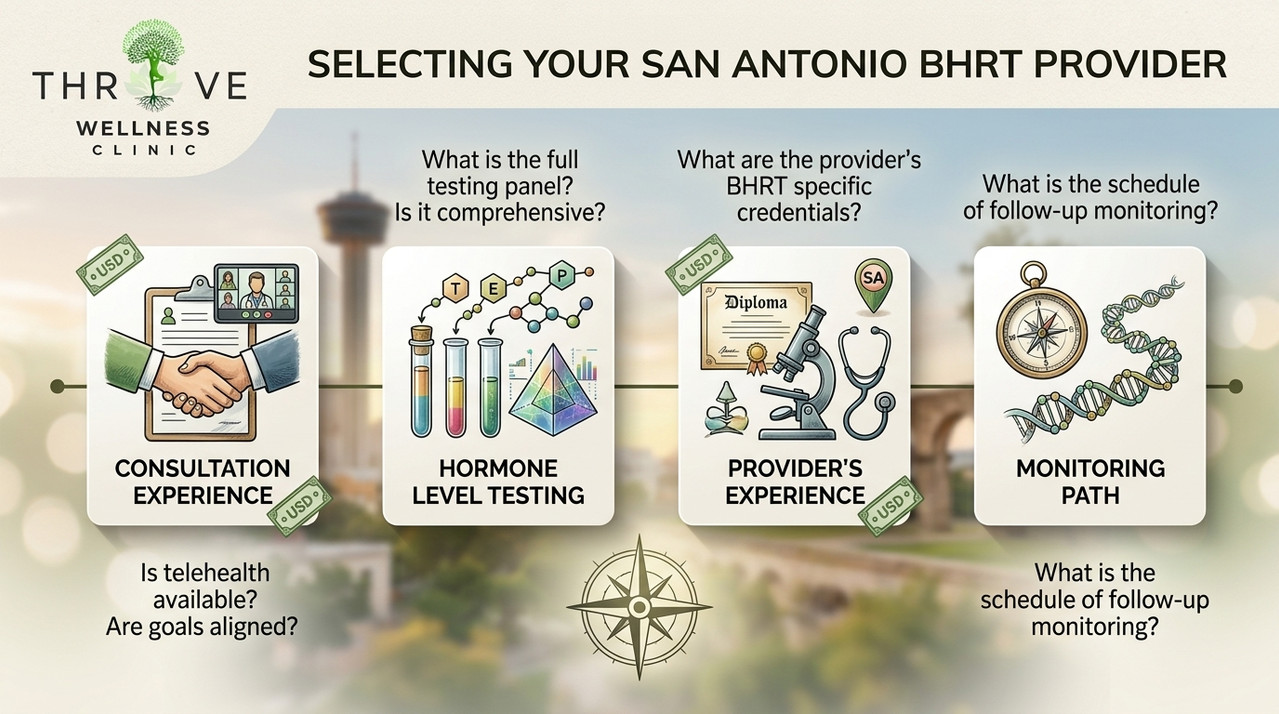
What Makes a Good Hormone Therapy Clinic?
When comparing clinics, look for a provider who:
- Reviews your complete health history
- Uses appropriate medical evaluation and testing
- Explains benefits and risks clearly
- Creates an individualized treatment plan
- Provides ongoing monitoring
- Answers questions about treatment alternatives
- Sets realistic expectations
- Makes follow-up care accessible
Be cautious of clinics that guarantee results, recommend treatment without appropriate evaluation, or treat hormone levels without considering symptoms and overall health.
Final Thoughts
Choosing a clinic for bioidentical hormone therapy should involve more than comparing prices or searching for the closest provider. Ask about medical evaluation, testing, treatment options, safety, monitoring, follow-up care, and total costs before beginning treatment.
A comprehensive Hormone Metabolic Health approach can help connect hormone-related concerns with broader health goals and ongoing wellness.
The right questions can help you have a more productive consultation and make a more informed decision about whether hormone therapy is appropriate for you.