
Exploring Medical Research Trends in Stem Cells Therapy In Dubai
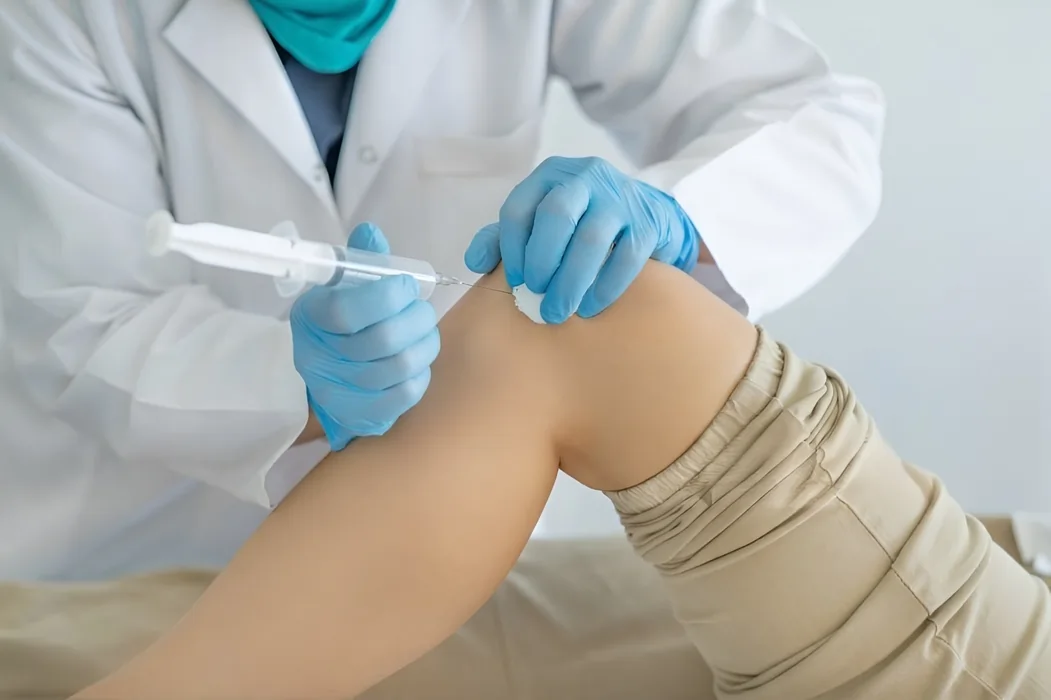
Stem cell research is an evolving area of modern medicine that investigates cellular development, tissue repair, and potential approaches to treating different diseases. Scientific advances have expanded researchers’ understanding of how stem cells develop into specialized cells and interact with surrounding tissues. These discoveries have created new opportunities for investigating regenerative medicine and developing innovative medical treatments. Interest in Stem Cells Therapy In Dubai reflects a broader curiosity about how these scientific developments may influence future healthcare. However, the clinical value of each treatment depends on the type of cells involved, the condition being addressed, and the quality of supporting evidence. At Grand European Clinic, patients can discuss their medical interests, learn about available treatment information, and explore appropriate options through professional consultation. Understanding current research trends helps individuals distinguish established medical applications from promising approaches that still require further investigation.
Understanding Different Types of Stem Cells
Stem cells are distinguished by their capacity to renew themselves and, depending on their type, develop into specialized cells. Researchers study several categories, including adult stem cells, hematopoietic stem cells, and induced pluripotent stem cells. Each category has different biological characteristics and potential applications.
Hematopoietic stem cells produce blood cells and are used in established transplantation procedures for certain blood-related cancers and other disorders. Adult stem cells are also investigated for their roles in maintaining and repairing particular tissues. Induced pluripotent stem cells, meanwhile, are created by reprogramming adult cells into a state that allows them to develop into many different cell types under appropriate laboratory conditions.
These distinctions matter because treatments involving one cell type cannot automatically be assumed to work in the same way as treatments involving another. The intended medical application, cell source, and manufacturing process all influence the scientific and clinical considerations.
Individuals exploring Stem Cells Therapy In Dubai should understand which type of cell is involved in a proposed intervention and what evidence supports its intended use. At Grand European Clinic, a consultation can provide an opportunity to discuss relevant medical questions and understand the treatment information available.
Personalized Medicine and Stem Cell Technologies
Personalized medicine is an important trend in biomedical research because it considers how individual biological characteristics may influence disease development and treatment responses. Stem cell technologies can contribute to this field by allowing researchers to create laboratory models from patient-derived cells.
Induced pluripotent stem cells are especially useful for investigating genetic disorders and studying how diseases affect specific tissues. Researchers can develop these cells into specialized cell types and observe how they behave under controlled laboratory conditions. This approach may also help scientists evaluate candidate medicines and investigate differences in treatment responses.
Although personalized stem cell research offers valuable opportunities, laboratory models do not automatically translate into individualized treatments that are ready for routine clinical use. Further research is needed to establish the effectiveness and practical application of many emerging approaches.
For patients interested in Stem Cells Therapy In Dubai, personalized medicine provides useful context for understanding how research may influence future healthcare. Grand European Clinic can be a point of consultation for discussing treatment questions and clarifying the distinction between developing technologies and established medical procedures.
Regenerative Medicine and Tissue Repair
Regenerative medicine explores approaches intended to restore, replace, or support the function of damaged cells and tissues. Stem cells are one part of this broader field, which also includes tissue engineering, biomaterials, gene-based technologies, and laboratory-grown tissue models.
Researchers are investigating how stem cells interact with their surrounding environment and whether particular cellular signals may influence tissue maintenance or repair. Some studies examine whether cells can replace damaged specialized cells, while others investigate how substances released by cells affect inflammation and communication between tissues.
These mechanisms are complex, and the potential benefits depend on the specific treatment and condition being studied. Certain stem cell applications are already established in defined medical settings, whereas many proposed treatments for neurological, cardiovascular, and musculoskeletal conditions remain under investigation.
When considering Stem Cells Therapy In Dubai, patients should ask whether a proposed treatment is an established medical procedure or an investigational approach. At Grand European Clinic, individuals can discuss their interests and seek clarification about the available treatment information and clinical context.
Advances in Induced Pluripotent Stem Cell Research
Induced pluripotent stem cells, commonly known as iPSCs, have become an important research tool because they allow scientists to generate versatile cells from certain adult cell types. Researchers can guide these cells toward specialized identities, including cells resembling those found in the heart, nervous system, and other tissues.
One major application is disease modeling. Scientists can use laboratory-grown cells to investigate how particular genetic variations affect cellular behavior. These models may help researchers understand disease mechanisms and evaluate potential treatments before they progress to human clinical trials.
Another area of investigation involves developing cell-based replacement therapies for conditions in which particular cell populations are damaged or lost. Researchers are studying how to produce suitable cells consistently and determine whether they can perform their intended functions.
For those researching Stem Cells Therapy In Dubai, iPSC technology illustrates how laboratory science may contribute to future therapeutic developments. Nevertheless, a promising experimental result is not the same as a proven clinical treatment. Grand European Clinic can be approached for discussion about medical interests and available treatment options.
Clinical Trials and Evidence-Based Progress
Clinical trials are essential for determining whether a stem cell-based intervention provides meaningful benefits for patients. Early-stage trials commonly investigate how a treatment behaves in humans, while later-stage studies may assess effectiveness across larger patient groups and compare results with existing care.
Researchers must consider several factors when evaluating a stem cell treatment, including the source of the cells, how they are processed, the method of administration, and the condition being treated. Consistent manufacturing and clearly defined treatment protocols are important for interpreting research findings.
A small study may offer useful preliminary information, but larger and well-designed trials are often needed to confirm whether the findings can be reproduced. Researchers also examine how long the effects last and whether improvements are meaningful to patients.
People exploring Stem Cells Therapy In Dubai should ask whether the proposed intervention has published clinical evidence and whether it is authorized for the intended use. At Grand European Clinic, patients can discuss questions about treatment options and the importance of evidence-based medical decision-making.
Artificial Intelligence and Modern Cell Manufacturing
Artificial intelligence and advanced laboratory technologies are increasingly influencing biomedical research. Computational systems can help researchers analyze complex biological datasets, identify patterns in cellular activity, and investigate how different conditions influence cell development.
In stem cell research, advanced imaging and automated analysis may help scientists assess cell characteristics and monitor changes over time. Researchers are also investigating automated manufacturing processes designed to improve consistency when producing cells for research and potential clinical applications.
Quality control is another important area of development. Scientists need reliable methods to identify cell types, assess their characteristics, and ensure that manufactured products meet predefined standards. These processes contribute to the development of reproducible research methods and potential future treatments.
Although technological advances may accelerate research, they do not replace the need for appropriate clinical studies. A treatment must still demonstrate meaningful benefits for its intended use.
For individuals interested in Stem Cells Therapy In Dubai, these developments highlight how biotechnology and computational science may contribute to regenerative medicine. Grand European Clinic can be a point of contact for discussing medical questions and understanding available treatment information.
Understanding Stem Cells Therapy Cost In Dubai
The Stem Cells Therapy cost In Dubai may depend on the type of intervention, the cell source, the medical condition being addressed, and the clinical services included. Different stem cell procedures involve different requirements, so the overall cost depends on the specific treatment plan.
For example, established stem cell transplantation for certain blood disorders differs substantially from an investigational regenerative procedure. Diagnostic assessments, specialist consultations, laboratory processing, treatment administration, and follow-up arrangements may also influence the total expense.
When discussing Stem Cells Therapy cost In Dubai, patients should request a clear explanation of the proposed intervention, the services included, and the expected follow-up process. It is equally important to understand the clinical evidence supporting the treatment rather than evaluating an option on cost alone.
At Grand European Clinic, patients can enquire about available services and associated charges through consultation. Understanding the proposed plan helps individuals evaluate their options in relation to their medical needs and personal circumstances.
Making Informed Decisions About Stem Cell Treatments
As regenerative medicine develops, understanding the difference between established treatments and experimental approaches remains essential. Descriptions such as innovative, advanced, or regenerative do not independently demonstrate that a particular intervention is effective for a specific condition.
Patients should seek clear information about the type of cells being used, the intended medical purpose, the available clinical evidence, and the relevant regulatory status. It is also useful to ask whether the treatment is part of standard medical care or an appropriately authorized clinical trial.
Research findings should be interpreted according to their quality and relevance. Laboratory studies can provide valuable scientific insights, but they do not establish the same level of clinical effectiveness as well-designed human trials.
For people considering Stem Cells Therapy In Dubai, careful evaluation of treatment claims supports informed healthcare decisions. At Grand European Clinic, discussing individual medical questions and available options can help patients better understand the information relevant to their circumstances.
Conclusion
Medical research into stem cells continues to develop through personalized medicine, induced pluripotent stem cell technologies, regenerative biology, clinical trials, and advances in cell manufacturing. These developments are expanding scientific understanding and creating opportunities to investigate new approaches to disease treatment. However, the clinical usefulness of each therapy depends on the particular cell product, the condition being treated, and the quality of supporting evidence.
For individuals exploring Stem Cells Therapy In Dubai, understanding the difference between established medical applications and experimental research is an important part of informed decision-making. Reviewing Stem Cells Therapy cost In Dubai alongside the treatment’s purpose, clinical evidence, and included services can also help patients evaluate their options. At Grand European Clinic, discussing medical concerns, treatment information, and available services can help individuals develop a clearer understanding of regenerative medicine.
FAQs About Exploring Medical Research Trends in Stem Cells Therapy In Dubai
1. What Is Stem Cells Therapy In Dubai?
The term refers broadly to medical interventions involving stem cells for specific clinical purposes. The procedure, evidence, and regulatory status depend on the cell product and the condition being treated.
2. What Are the Main Trends in Stem Cell Research?
Important research areas include personalized medicine, induced pluripotent stem cells, tissue engineering, regenerative medicine, advanced cell manufacturing, and artificial intelligence-assisted laboratory analysis. Many potential applications still require further clinical evaluation.
3. Are All Stem Cell Treatments Established Medical Procedures?
No. Certain stem cell treatments have established applications for specific conditions, while many other proposed uses remain experimental. Patients should confirm the evidence and authorization for the exact intervention being considered.
4. What Determines Stem Cells Therapy Cost In Dubai?
The cost may depend on the treatment type, cell product, diagnostic assessments, clinical services, and follow-up requirements. Patients can contact Grand European Clinic to enquire about available services and associated charges.
5. How Can Patients Learn More About Stem Cell Treatment Options?
Patients can discuss their medical history and treatment goals with a qualified healthcare professional, ask about clinical evidence, and clarify whether a proposed intervention is established care or part of an authorized clinical trial.