
ACL Injury Treatment Dubai: Effective Strategies for Restoring Knee Function
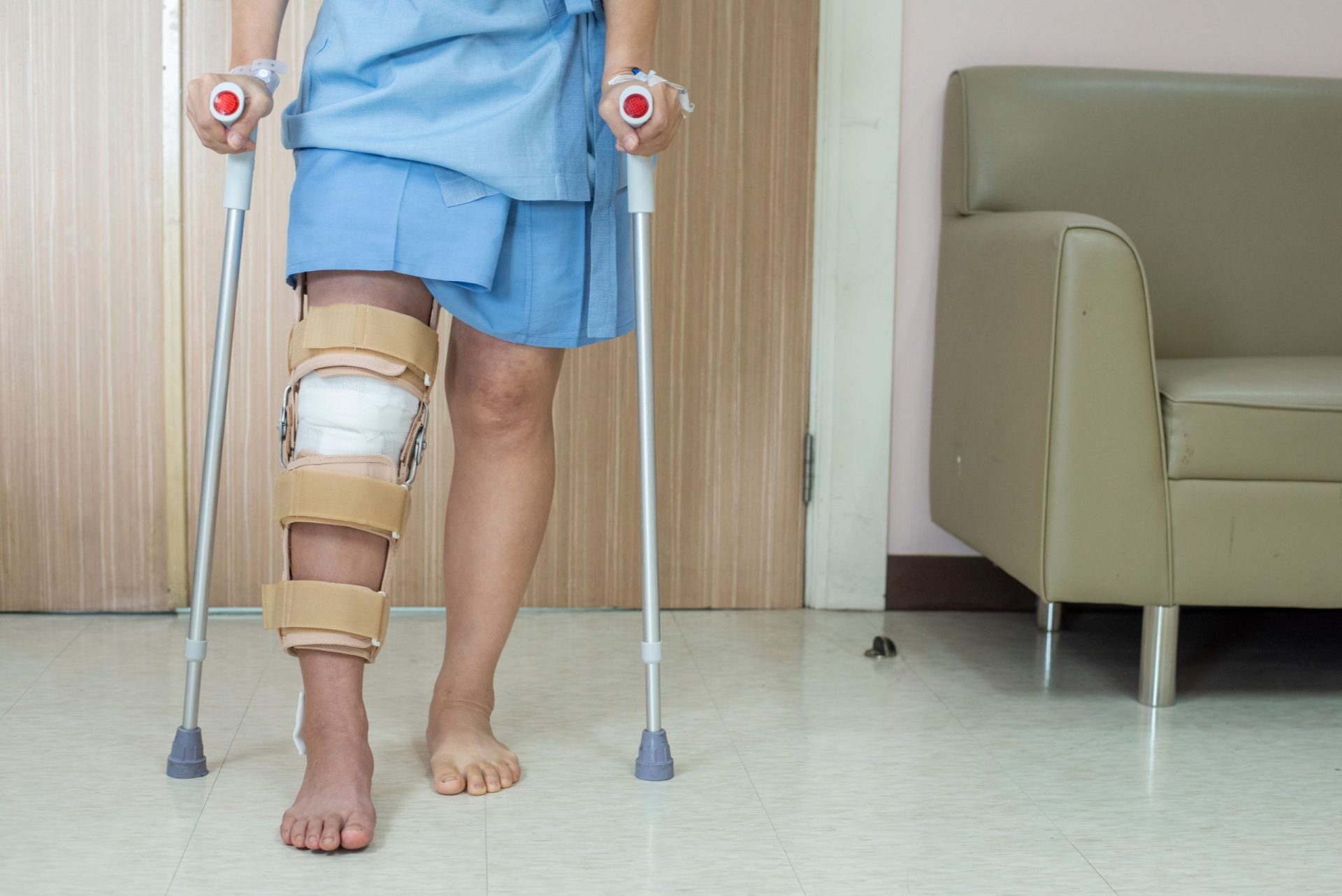
The anterior cruciate ligament (ACL) is one of the most important structures responsible for maintaining knee stability and supporting controlled leg movements. It plays a significant role in activities such as walking, running, jumping, turning, and changing direction. An ACL injury can affect these movements and make everyday activities, sports participation, and physical exercise more challenging.
ACL injuries are particularly common among athletes and individuals involved in activities that require sudden stops, rapid direction changes, or jumping. However, they can also occur during everyday activities following an unexpected twist or awkward landing.
Recovering from an ACL injury requires an appropriate treatment approach based on the severity of the injury, physical condition, activity requirements, and individual recovery goals. Physiotherapy plays an important role in restoring knee mobility, rebuilding muscle strength, improving balance, and preparing individuals to return to their regular activities.
For individuals searching for ACL injury treatment in dubai, understanding the available treatment options and rehabilitation strategies is an important first step. Vitruvian Italian Physiotherapy Center focuses on personalized physiotherapy and rehabilitation approaches that support knee function, improve mobility, and help individuals work towards a confident recovery.
Understanding the ACL and Its Role in Knee Stability
The anterior cruciate ligament is located inside the knee joint and connects the thigh bone (femur) to the shin bone (tibia).
Its primary function is to help control the forward movement of the tibia and provide rotational stability to the knee.
The ACL works together with other ligaments, muscles, and joint structures to maintain proper knee function.
It plays an important role in:
- Supporting knee stability during movement.
- Controlling sudden changes in direction.
- Maintaining balance during physical activities.
- Supporting controlled landing after jumping.
- Providing stability during running and turning.
- Coordinating movements between the thigh and lower leg.
When the ACL becomes injured, the knee may lose some of its normal stability. Depending on the severity of the injury, individuals may experience pain, swelling, restricted movement, or difficulty participating in physical activities.
What Causes an ACL Injury?
ACL injuries commonly occur during activities involving sudden movements or excessive stress on the knee joint.
Some common causes include:
Sudden Direction Changes: Rapidly changing direction while running can place significant rotational forces on the knee.
Incorrect Landing Techniques: Landing awkwardly after jumping may place excessive stress on the ligament.
Sudden Stops: Abruptly stopping while running or participating in sports can affect knee stability.
Direct Impact: A collision or direct blow to the knee may damage the ACL and surrounding structures.
Twisting Movements: The foot may remain planted while the body rotates, creating excessive stress within the knee joint.
Sports Activities: Football, basketball, tennis, skiing, and other sports involving jumping and rapid direction changes are associated with ACL injuries.
Understanding the mechanism of injury helps healthcare professionals assess the knee and determine an appropriate treatment strategy.
Recognizing the Common Symptoms of an ACL Injury
ACL injuries can produce different symptoms depending on the extent of ligament damage and whether other knee structures are affected.
Common symptoms include:
- Sudden knee pain following an injury.
- Swelling that develops within the first few hours.
- A popping sensation at the time of injury.
- Difficulty putting weight on the affected leg.
- Reduced knee movement.
- A feeling that the knee may give way.
- Difficulty walking or climbing stairs.
- Reduced confidence during physical activities.
- Difficulty running, jumping, or changing direction.
Some individuals experience significant instability, while others may primarily notice stiffness and discomfort.
Recognizing these symptoms and seeking an appropriate assessment can help determine whether the ACL or other knee structures have been affected.
For people exploring ACL injury treatment in dubai, understanding these early signs can help them take appropriate steps towards professional evaluation and rehabilitation.
Different Grades of ACL Injuries
ACL injuries are generally classified according to the extent of ligament damage.
Grade 1: Mild ACL Injury
A Grade 1 injury involves stretching of the ligament without a complete tear.
The ligament generally maintains its structural continuity, although the knee may experience discomfort and mild swelling.
Treatment may involve appropriate activity modification, strengthening exercises, and rehabilitation based on professional assessment.
Grade 2: Partial ACL Tear
A Grade 2 injury involves partial tearing of the ligament.
Individuals may experience increased discomfort, swelling, and some degree of knee instability.
The appropriate treatment depends on the amount of ligament damage, functional stability, associated injuries, and activity requirements.
Grade 3: Complete ACL Tear
A Grade 3 injury involves a complete rupture of the ligament.
The knee may become significantly unstable, particularly during movements involving turning, jumping, or sudden direction changes.
Some individuals may require surgical reconstruction, while treatment decisions depend on their overall condition and functional requirements.
Understanding the injury grade is important when developing an appropriate rehabilitation programme.
The Importance of Early ACL Injury Assessment
Early assessment plays an important role in identifying the extent of knee damage and selecting suitable treatment options.
An ACL injury may also involve damage to other structures, including the meniscus, cartilage, or additional ligaments.
A comprehensive evaluation may include:
Medical History: Understanding how the injury occurred, the symptoms experienced, and previous knee problems.
Physical Examination: Evaluating knee movement, swelling, tenderness, and stability.
Functional Assessment: Understanding the individual’s ability to walk, stand, and perform basic movements.
Imaging Investigations: MRI scans may be recommended to assess ligament damage and associated injuries. X-rays may also be used to evaluate bone structures.
Early assessment helps establish appropriate treatment priorities and prevents individuals from returning to demanding activities before their knee is adequately prepared.
ACL Injury Treatment Dubai: Understanding Available Treatment Options
Treatment for an ACL injury depends on several factors, including the severity of the tear, knee stability, associated injuries, age, and activity requirements.
There are two main treatment approaches: non-surgical management and surgical reconstruction.
Non-Surgical ACL Treatment
Not every ACL injury requires surgery. Some individuals, particularly those with partial tears or good functional knee stability, may benefit from structured non-surgical rehabilitation.
Conservative treatment may include:
- Physiotherapy.
- Progressive strengthening exercises.
- Knee mobility training.
- Balance and coordination exercises.
- Activity modification.
- Appropriate knee support when recommended.
- Functional movement rehabilitation.
The goal is to improve muscular support, restore movement, and develop better knee control.
Surgical ACL Reconstruction
Surgical reconstruction may be recommended for individuals with significant knee instability, complete ACL tears, associated injuries, or demanding sports requirements.
During reconstruction, the damaged ligament is replaced using a tendon graft.
Following surgery, physiotherapy becomes an essential part of recovery. A progressive rehabilitation programme helps restore knee movement, rebuild muscle strength, and gradually improve functional stability.
The decision to undergo surgery should be made with an orthopedic specialist after considering the individual’s condition and goals.
How Physiotherapy Helps Restore Knee Function After an ACL Injury
Physiotherapy is one of the most important components of ACL rehabilitation, whether the injury is managed surgically or non-surgically.
A structured rehabilitation programme focuses on restoring normal movement, improving muscle strength, developing balance, and preparing the knee for everyday activities.
At Vitruvian Italian Physiotherapy Center, personalized rehabilitation focuses on individual physical requirements and progressive improvement.
Restoring Knee Mobility
Following an ACL injury, swelling and discomfort may restrict normal knee movement.
Physiotherapy may include controlled exercises designed to improve knee bending and straightening.
Restoring appropriate range of motion is an important early rehabilitation goal.
Strengthening the Quadriceps
The quadriceps muscles at the front of the thigh play an important role in controlling knee movement.
ACL injuries and surgery can lead to reduced quadriceps strength.
Rehabilitation may include:
- Quadriceps contractions.
- Straight leg raises.
- Controlled knee extensions.
- Progressive resistance exercises.
- Functional strengthening activities.
Improving quadriceps strength supports better knee control during walking and other movements.
Strengthening the Hamstrings
The hamstrings are located at the back of the thigh and contribute to knee stability and movement control.
Appropriate strengthening exercises may help improve lower-limb function and muscular coordination.
Improving Balance and Coordination
Balance training is an important part of ACL rehabilitation.
Exercises may include controlled standing activities, single-leg balance exercises, and progressive stability training.
These activities help individuals develop better control of the affected leg.
Restoring Functional Movement
Functional rehabilitation focuses on movements required during everyday life.
Depending on recovery progress, exercises may include:
- Sit-to-stand movements.
- Controlled squats.
- Step-up exercises.
- Walking training.
- Stair climbing practice.
- Progressive single-leg activities.
These exercises help prepare individuals to return to their regular activities with improved movement control.
The Different Stages of ACL Rehabilitation
ACL rehabilitation is a gradual process. Each stage has specific goals, and progression should depend on the patient’s condition and response to treatment.
Stage 1: Initial Recovery and Swelling Management
The early stage focuses on managing swelling, improving comfort, and restoring basic knee movement.
Treatment may involve:
- Appropriate swelling management.
- Gentle knee mobility exercises.
- Quadriceps activation.
- Walking support when required.
- Professional guidance on activity modification.
The main objective is to establish a suitable foundation for further rehabilitation.
Stage 2: Restoring Strength and Mobility
Once the initial symptoms are better controlled, rehabilitation can progress towards strengthening and improving knee function.
Exercises may focus on the quadriceps, hamstrings, gluteal muscles, and surrounding lower-limb structures.
Balance training may also be introduced according to the patient’s abilities.
Stage 3: Developing Functional Stability
This stage focuses on improving muscular control and preparing the knee for more demanding movements.
Rehabilitation may include:
- Progressive resistance exercises.
- Single-leg strengthening.
- Balance training.
- Controlled step exercises.
- Movement coordination activities.
The objective is to improve the knee’s ability to manage everyday physical demands.
Stage 4: Advanced Strengthening and Sports Preparation
For individuals planning to return to sports, rehabilitation may gradually introduce more demanding activities.
These can include controlled running, jumping, landing, and direction-changing exercises when appropriate.
Progression should be based on strength, movement quality, knee stability, and professional assessment rather than a fixed timeline.
The Importance of Sports-Specific ACL Rehabilitation
Athletes often require additional rehabilitation before returning to competitive sports.
Simply being able to walk comfortably does not necessarily mean the knee is ready for activities involving sudden stops, jumping, and rapid direction changes.
Sports-specific rehabilitation may focus on:
Running Mechanics: Improving running technique and lower-limb coordination.
Jumping and Landing: Developing controlled landing techniques and appropriate muscular strength.
Agility Training: Gradually improving the ability to move in different directions.
Single-Leg Stability: Improving balance and strength during one-legged activities.
Movement Confidence: Helping individuals regain confidence in their affected knee.
Before returning to competitive sports, patients should undergo appropriate functional testing and receive clearance from their treating healthcare professionals.
ACL Injury Treatment Cost in Dubai: Factors That Influence Expenses
The cost of ACL treatment can vary depending on the severity of the injury, required treatment methods, and rehabilitation needs.
When researching ACL injury treatment cost in dubai, individuals should understand that the overall expenses depend on their specific condition and treatment pathway.
Several factors may influence the total cost.
Initial Assessment and Consultation
The first consultation may involve reviewing medical history, evaluating knee movement, assessing stability, and understanding the patient’s functional limitations.
The complexity of the assessment may influence consultation fees.
Diagnostic Investigations
Some individuals may require MRI scans, X-rays, or other investigations to determine the extent of ligament damage.
These investigations may contribute to the overall treatment expenses.
Surgical Requirements
Patients who require ACL reconstruction may have additional expenses associated with orthopedic consultations, surgery, hospital services, and post-operative care.
The overall cost depends on the surgical approach and individual medical requirements.
Number of Physiotherapy Sessions
Rehabilitation duration varies from person to person.
Individuals recovering from surgery may require a structured programme involving several stages of physiotherapy.
Non-surgical patients may also require ongoing rehabilitation depending on their functional goals.
Rehabilitation Techniques
The treatment programme may include manual therapy, strengthening exercises, balance training, mobility work, and functional rehabilitation.
The services included in the programme may influence the overall cost.
Individual Recovery Goals
An individual aiming to return to everyday walking may have different rehabilitation requirements from an athlete preparing to return to competitive sports.
When comparing ACL injury treatment cost in dubai, it is helpful to consider assessment quality, professional expertise, treatment planning, and rehabilitation support rather than focusing only on individual appointment prices.
For accurate information about ACL injury treatment cost in dubai, patients should discuss their condition and expected treatment requirements with their healthcare provider.
Why Personalized ACL Rehabilitation Is Important
No two ACL injuries are exactly alike. Even individuals with similar ligament injuries may have different physical abilities, activity requirements, and recovery expectations.
A personalized rehabilitation programme considers:
- The grade and severity of the injury.
- Whether surgery has been performed.
- Knee swelling and mobility.
- Quadriceps and hamstring strength.
- Balance and coordination.
- Previous injuries.
- Daily physical activities.
- Sports and exercise requirements.
- Individual recovery goals.
Vitruvian Italian Physiotherapy Center emphasizes personalized physiotherapy that considers these factors when supporting individuals through their rehabilitation journey.
For those searching for Best ACL injury treatment in dubai, individualized assessment and progressive rehabilitation are important considerations when selecting appropriate care.
Common Mistakes to Avoid During ACL Recovery
Recovery requires patience, consistency, and appropriate professional guidance. Certain mistakes may interfere with rehabilitation progress.
Returning to Sports Too Early
Returning to competitive activities before adequate strength and functional stability have been restored may increase the likelihood of another injury.
Ignoring Knee Swelling
Persistent or increasing swelling should be discussed with a healthcare professional because it may indicate that the knee requires further evaluation.
Skipping Strengthening Exercises
Muscle weakness can affect knee control and everyday movement. Following an appropriate strengthening programme is important.
Performing Exercises Without Guidance
Not every exercise is suitable for every stage of ACL rehabilitation. Exercise selection and progression should be based on professional assessment.
Comparing Recovery Timelines
Recovery varies depending on injury severity, treatment approach, associated injuries, and individual progress.
Neglecting Balance Training
Balance and coordination are important for knee stability, particularly during activities involving one-legged movements.
Lifestyle Habits That Support Better Knee Function
In addition to professional physiotherapy, healthy everyday habits can support the rehabilitation process.
Some useful practices include:
- Follow the recommended exercise programme.
- Avoid sudden increases in physical activity.
- Maintain appropriate lower-body strength.
- Follow professional advice about walking and weight-bearing.
- Use suitable footwear during physical activities.
- Maintain a balanced exercise routine.
- Allow appropriate recovery time between demanding activities.
- Follow professional guidance when returning to sports.
These habits can support physical conditioning and help individuals maintain better movement patterns.
What to Expect During Your First ACL Physiotherapy Session
Starting physiotherapy after an ACL injury can feel challenging, particularly for individuals who are unfamiliar with rehabilitation.
Understanding the process can help patients feel more confident.
- Discussion of Injury History
The physiotherapist reviews how the injury occurred, previous medical investigations, treatment history, and current symptoms.
- Physical Assessment
The assessment may include evaluating knee movement, swelling, muscle strength, balance, and functional ability.
- Review of Treatment Requirements
The physiotherapist considers whether the patient is following a surgical or non-surgical treatment pathway.
- Personalized Rehabilitation Planning
A suitable programme is developed according to the patient’s condition, physical abilities, and recovery goals.
- Exercise Demonstration
Patients may learn appropriate strengthening and mobility exercises for their current rehabilitation stage.
- Progress Monitoring
Follow-up appointments help evaluate improvements and adjust the programme as knee function develops.
This structured approach helps patients understand their recovery and participate actively in rehabilitation.
When Should You Seek Professional ACL Assessment?
Professional assessment is important when individuals experience symptoms following a knee injury, especially if there is swelling, instability, or difficulty bearing weight.
Consider seeking medical evaluation if you experience:
- A popping sensation during a knee injury.
- Rapid swelling following an accident.
- Difficulty fully bending or straightening the knee.
- A feeling that the knee gives way.
- Pain during walking or physical activity.
- Difficulty returning to normal movement.
- Repeated episodes of knee instability.
A healthcare professional can determine whether the ACL or other knee structures have been affected and recommend suitable investigations.
Significant swelling, inability to bear weight, or a visibly deformed knee requires prompt medical assessment.
Why Choose Vitruvian Italian Physiotherapy Center?
Choosing an appropriate physiotherapy provider is an important part of the ACL recovery journey. Patients benefit from professional guidance, individualized treatment planning, and rehabilitation that progresses according to their physical abilities.
Vitruvian Italian Physiotherapy Center focuses on personalized physiotherapy and rehabilitation approaches designed to support improved knee function and mobility.
The rehabilitation approach emphasizes:
- Individualized physical assessments.
- Personalized ACL rehabilitation programmes.
- Quadriceps and hamstring strengthening.
- Knee mobility exercises.
- Balance and coordination training.
- Functional movement rehabilitation.
- Progressive strengthening strategies.
- Sports-specific rehabilitation when appropriate.
- Regular progress evaluation.
Whether someone is recovering from an ACL injury without surgery or completing rehabilitation following reconstruction, a structured physiotherapy programme can support their journey towards improved knee function.
For individuals looking for Best ACL injury treatment in dubai, professional assessment, appropriate rehabilitation techniques, and individualized recovery planning are important factors to consider.
Conclusion
An ACL injury can significantly affect knee stability, mobility, sports performance, and everyday physical activities. However, with appropriate assessment and a well-planned treatment approach, individuals can work towards restoring strength, improving movement, and regaining confidence in their knees.
Treatment may involve non-surgical rehabilitation or surgical reconstruction, depending on the severity of the injury and individual requirements. Physiotherapy remains an essential component of recovery because it focuses on restoring mobility, rebuilding muscle strength, improving balance, and preparing the knee for functional activities.
Understanding ACL injury treatment cost in dubai can also help patients plan their treatment and rehabilitation according to their individual needs.
Vitruvian Italian Physiotherapy Center focuses on personalized rehabilitation strategies that support better movement and improved physical function. With professional guidance, consistent participation, and gradual progression, individuals can take meaningful steps towards recovering knee function and returning to a more active lifestyle.