
Reliable Lead Metal Manufacturing and Chimney Flashing Solutions for Specialized Project Requirements – Nuclead Manufacturing Co Inc
Nuclead Manufacturing Co Inc provides lead metal products and specialised lead material solutions for a variety of industrial, construction, and manufacturing applications. Lead metal is valued for its density, malleability, durability, and ability to be shaped into different forms. One important application is chimney flashing, where lead is used as a flexible material to help create a weather-resistant seal around roof penetrations.
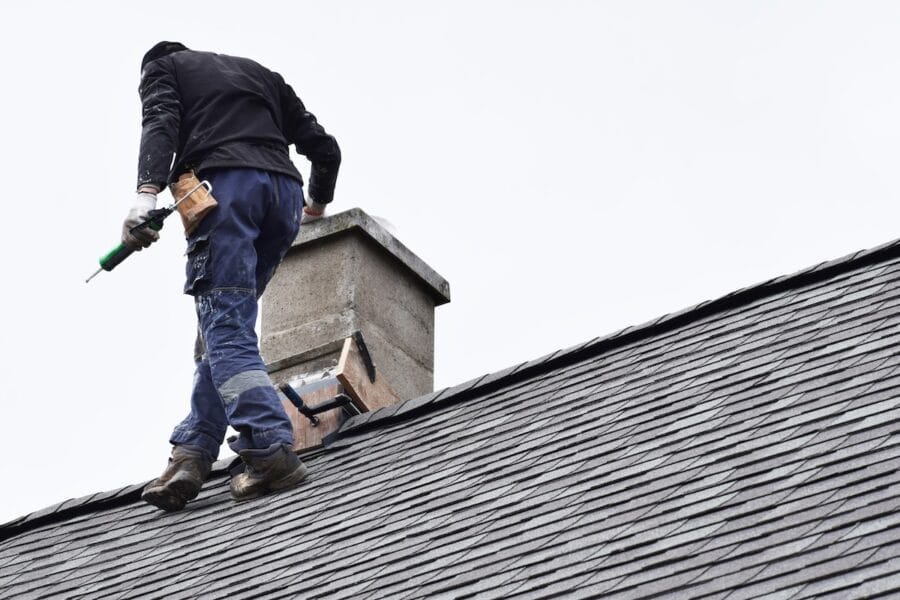
Whether you are researching chimney flashing or looking for reliable lead metal products, understanding the material, its applications, and its benefits is essential. Selecting the right lead product can make a difference in the performance, durability, and suitability of a project.
1. Understanding Chimney Flashing
Chimney flashing is an important component of a roofing system. It is installed around the point where a chimney passes through the roof to help prevent rainwater and moisture from entering the building. Since chimneys interrupt the natural surface of a roof, the surrounding area requires proper protection against water infiltration.
Flashing creates a protective connection between the chimney structure and the roofing material. It helps direct water away from vulnerable joints and towards the roof drainage system.
Lead has traditionally been used for chimney flashing because it can be shaped around different roof profiles and chimney structures. Its flexibility makes it suitable for creating close-fitting details around irregular surfaces.
2. Why Is Chimney Flashing Important?
A chimney opening can become a vulnerable area if it is not properly sealed. Without suitable flashing, rainwater may enter through gaps between the chimney and roof.
Properly installed chimney flashing offers several benefits:
- Water Protection: It helps prevent rainwater from entering the roof structure through gaps around the chimney.
- Flexible Installation: Lead can be shaped to fit different chimney dimensions and roof designs.
- Weather Resistance: Suitable flashing materials help protect roof joints from changing weather conditions.
- Roof Protection: Effective flashing reduces the risk of moisture-related damage around the chimney.
- Neat Finishing: Properly fitted flashing creates a clean transition between the chimney and roofing surface.
The performance of chimney flashing depends on the quality of the material, correct installation, suitable detailing, and regular inspection.
3. Lead Metal for Chimney Flashing Applications
Lead metal is a versatile material used in various construction and industrial applications. Its physical properties make it useful for projects that require a dense, workable, and easily formed metal.
In roofing applications, lead is commonly associated with flashing, weathering details, and protective coverings. Its ability to be shaped around corners, joints, and uneven surfaces makes it suitable for certain chimney flashing designs.
Nuclead Manufacturing Co Inc offers lead metal products for customers seeking material solutions for specialised applications. Understanding the characteristics of lead helps buyers select the appropriate product for their project requirements.
4. Important Properties of Lead Metal
Lead has several characteristics that contribute to its industrial and construction uses.
1. High Density
Lead is a dense metal, making it suitable for applications where substantial material weight is required. This characteristic also makes it useful in industrial products and specialised manufacturing.
2. Malleability
One of the most recognised properties of lead is its malleability. It can be formed and shaped without requiring the same level of force needed for many harder metals. This makes it useful for detailed roofing applications.
3. Corrosion Resistance
Lead develops a protective surface layer when exposed to the atmosphere. This property contributes to its durability in certain environments, although its suitability depends on the specific application and exposure conditions.
4. Workability
Lead can be processed into different shapes and forms according to manufacturing requirements. This makes it valuable for customers who need specialised lead products.
5. Versatile Applications
Lead metal is used in several industries, including construction, manufacturing, radiation shielding, specialised containers, and industrial engineering.
5. Different Uses of Lead Metal
Lead is used across a range of industries because of its distinctive physical and chemical properties. While chimney flashing is one recognised building application, its uses extend far beyond roofing.
Some important applications include:
1. Roofing and Construction
Lead has been used in roofing details, flashing, weathering applications, and protective coverings. Its flexibility allows it to be shaped around building features where a close-fitting material is required.
2. Industrial Manufacturing
Lead is used in specialised manufacturing processes where its density, workability, and other material properties are required. Manufacturers may process it into different product forms based on application specifications.
3. Radiation Shielding
Due to its high density, lead is widely recognised for radiation shielding applications. It is used in properly designed shielding products and installations where protection from specific forms of radiation is required.
4. Lead Containers and Protective Products
Lead may be incorporated into specialised containers and protective products for industrial and technical applications. Product design depends on the intended use and applicable safety requirements.
5. Engineering and Specialised Components
Certain engineering applications require metals with particular density, forming, and material characteristics. Lead can be suitable for specialised components when its properties meet the technical requirements.
6. Choosing the Right Lead Metal for Your Project
Selecting lead metal requires an understanding of the project’s purpose, required dimensions, material specifications, and working conditions. Not every lead product is suitable for every application.
Before purchasing lead metal, consider the following factors:
1. Application Requirements
Determine whether the material is needed for chimney flashing, roofing, industrial manufacturing, shielding, or another specialised purpose. The intended use helps establish the appropriate product specifications.
2. Material Thickness
Thickness is an important consideration, particularly for roofing and flashing applications. The correct thickness should be selected according to the installation requirements and relevant building standards.
3. Dimensions and Product Form
Lead may be supplied or manufactured in different forms depending on the product range. Buyers should confirm the required dimensions, shape, and quantity before placing an order.
4. Material Quality
Consistent material properties are important for reliable performance. Customers should review product specifications and request relevant technical information when necessary.
5. Handling and Safety
Lead is a toxic metal. Exposure to lead dust, fumes, or contaminated surfaces can create serious health risks. Appropriate protective equipment, hygiene procedures, ventilation, and regulatory compliance are essential when handling or processing lead.
7. Chimney Flashing Installation and Maintenance Considerations
Even when suitable lead metal is selected, proper installation is necessary for effective chimney flashing. Poor installation can leave gaps that allow moisture to enter the roofing structure.
A professional roofer should assess the chimney design, roof material, and surrounding conditions before choosing the flashing method.
Important Installation Considerations
- Roof Compatibility: The flashing design should be suitable for the existing roofing material.
- Chimney Structure: Measurements should account for the chimney’s shape, size, and surface condition.
- Correct Sealing: Joints and connections should be detailed to manage water effectively.
- Professional Workmanship: Installation should follow recognised roofing practices and applicable building requirements.
- Material Safety: Lead should be cut, formed, and installed using appropriate safety precautions.
Regular Maintenance
Chimney flashing should be inspected periodically, particularly after severe weather or when signs of roof leakage appear.
Look for:
- Cracks or gaps around flashing joints.
- Loose or displaced sections.
- Signs of corrosion or deterioration in adjoining materials.
- Water stains on ceilings or walls near the chimney.
- Damaged sealant or surrounding roof components.
Early inspection can help identify problems before they cause more extensive damage.
8. Why Consider Nuclead Manufacturing Co Inc for Lead Metal?
Finding a suitable lead metal supplier is an important part of planning a construction or industrial project. Buyers often need products that match specific material requirements, dimensions, and intended applications.
Nuclead Manufacturing Co Inc is associated with lead products and specialised lead material solutions. Customers researching lead metal can consider the company’s product offerings when evaluating options for their requirements.
Some important factors to consider when selecting a lead metal manufacturer or supplier include:
- Product Range: Look for a supplier offering products relevant to your intended application.
- Material Specifications: Review available information about product dimensions, thickness, and material characteristics.
- Custom Requirements: Discuss whether the supplier can accommodate specialised product specifications.
- Application Guidance: Confirm that the selected product is appropriate for the intended use.
- Quality Consistency: Ask about manufacturing processes and relevant quality documentation.
- Safe Handling Information: Ensure that appropriate safety guidance is available for transportation, storage, and use.
For chimney flashing projects, customers should also consult qualified roofing professionals to confirm material suitability and installation requirements.
9. Lead Metal and Modern Construction Requirements
Construction projects require materials that can meet practical performance requirements while complying with current safety and environmental regulations. Although lead has a long history of use in roofing and building applications, its use must be evaluated carefully.
Lead exposure can affect human health, and lead-containing building materials may require special handling during installation, repair, or removal. Local building regulations may also restrict or regulate its use in certain applications.
Before selecting lead for chimney flashing, property owners and contractors should review applicable regulations and consider approved alternatives where appropriate. Other flashing materials may include aluminium, copper, stainless steel, and flexible roofing membranes. The best choice depends on roof compatibility, design requirements, expected service conditions, and local codes.
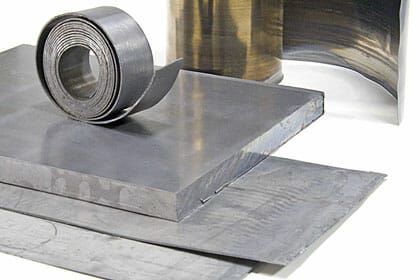
For industrial applications, the same principle applies: material selection should be based on technical specifications, safety requirements, and the purpose of the finished product.
Conclusion
Chimney flashing plays an important role in protecting roofs from water infiltration, while lead metal offers distinctive properties such as high density, malleability, and workability for specialised applications. Understanding these characteristics helps contractors, manufacturers, and buyers make informed material decisions.
Nuclead Manufacturing Co Inc provides lead metal product solutions for customers exploring specialised material requirements. Whether your project involves roofing-related applications, industrial manufacturing, or other uses of lead, reviewing product specifications and safety considerations is essential. For more visit us!