
Manufacturing SEO Services: Fix the US Search-to-RFQ Gap
Manufacturers in the United States can appear in search results for detailed technical queries and still miss the opportunity to start a sales conversation. A buyer may find a page about a process or product, but not see enough information to decide whether the company is a fit or how to request a quote. The problem is not always visibility. Often, the path from search result to inquiry is unclear.
Good manufacturing SEO connects what buyers search for with useful capability information and an obvious next step. That means reviewing the content, technical experience, and inquiry process together, then checking whether each part answers a real procurement question.
Why search visibility may not prepare buyers
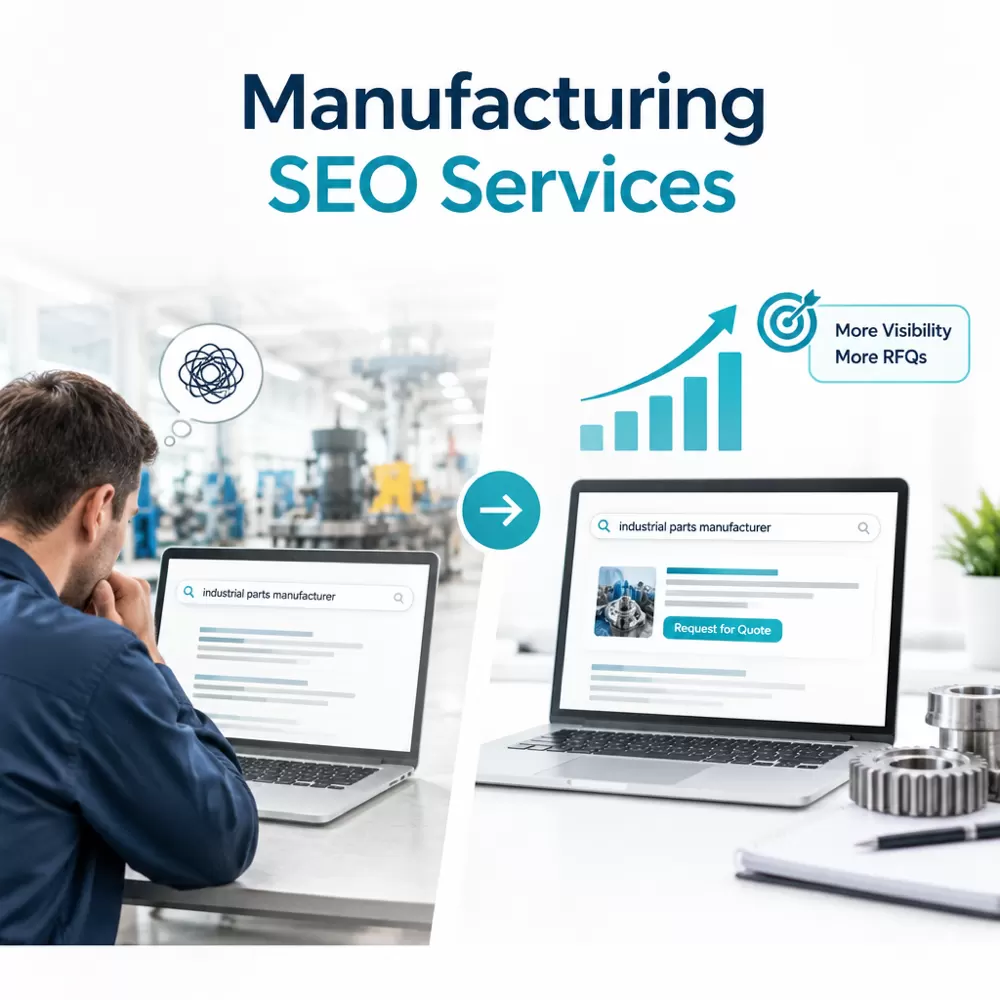
Manufacturing searches often come from people comparing suppliers, checking whether a process fits a project, or looking for a source in a particular location. A page can attract the right kind of visit yet leave basic questions unanswered. The visitor may need to know what information to provide, whether the company serves their market, or how to reach the right contact.
Start by checking the pages that already receive search impressions or visits. For each one, ask whether a potential buyer can quickly understand:
- What the company does, described in accurate, plain language.
- Which products, processes, or markets the page actually covers.
- What details a buyer should include when making an inquiry.
- How to contact the company or request a quote from that page.
Keep claims tied to confirmed company information. Do not add capabilities, certifications, materials, or turnaround promises just because they might match a search query. If a detail requires confirmation from engineering or sales, get that review before publishing. Clear, accurate content is more useful than a broad page that tries to rank for every possible manufacturing term.
Also check the page experience on a phone and desktop. A form that is hard to find, a broken button, or a slow page can interrupt the inquiry path after the content has done its job. Technical SEO, which covers how search engines access and understand a site, helps address issues such as crawl problems, page errors, and confusing site structure. It cannot replace clear content or a working inquiry process, so review all three.
From Capability Search to RFQ Path
Build a simple map from buyer intent to the best matching page. A broad search may need an overview of the company’s verified capabilities. A specific process or product search should lead to a more focused page, if the company can support that level of detail. Then connect each page to an appropriate next step, such as a contact form or quote request, with instructions on what information will help the team respond.
For example, a page can prompt buyers to include the project requirements they already know, such as the part or service they are asking about, relevant specifications, and a way to follow up. Only request details the business genuinely needs at this stage. If the form is long or asks for sensitive information too early, buyers may abandon it. Sales and engineering teams can help decide which fields are essential.
A useful review of manufacturing seo services can cover connected work across SEO, Answer Engine Optimization (AEO), and Generative Engine Optimization (GEO), alongside technical fixes, local visibility, content, and ethical link building. The practical value is in assessing how these parts support a clear route from a search result to a qualified inquiry, not treating them as separate tasks without a shared goal.
Use a page-by-page checklist before making changes:
- Match: Does the page address the search topic without stretching the company’s actual capabilities?
- Answer: Does it explain relevant terms, requirements, or next steps in language a buyer can use?
- Action: Is the inquiry option easy to find, and does its label make the next step clear?
- Handoff: Does the inquiry reach the right team, and can staff identify which page or campaign brought it in?
AEO and GEO add another reason to write clearly. These approaches focus on making accurate, well-organized information easier for answer tools and generative search experiences to interpret. They do not guarantee that a page will be cited or displayed. Specific headings, direct explanations, and consistent terminology can still help people find and assess relevant information.
Measure the RFQ path and local visibility in the United States
For manufacturers that serve defined locations, local search can help buyers find a nearby supplier or a company that serves their market. Review whether the site explains its actual service areas and whether location pages offer useful details rather than repeating a city name. Avoid creating thin pages for places the company does not serve. In the United States, buyers may search with a city, state, region, or “near me,” but the page should reflect the business’s real reach.
Check Google Business Profile eligibility before relying on a profile or map pack presence. If the business qualifies, keep the profile accurate and aligned with the company’s public name, address, and phone details. Consistent NAP information (name, address, and phone) helps avoid confusing buyers. Reviews can also support trust, but they should be genuine and handled without exposing confidential project details.
Measure the whole path, not rankings alone. Track which pages bring relevant organic visits, whether visitors use the inquiry form or contact details, and whether those inquiries are suitable for the company. Search Console can show what queries lead to impressions and clicks; site analytics and the company’s lead records can add context about what happens afterward. These sources have limits. Tracking may miss calls or offline conversations, and a rise in traffic does not by itself mean more qualified RFQs.
When assessing a service provider, ask how reporting connects search activity with inquiries, how content claims are checked with internal teams, and how technical or local recommendations are prioritized. Look for clear explanations of planned work and ethical link building, not promises of a specific ranking or lead volume. Ask who needs to approve capability details and what access is required to assess the site. These questions help reveal whether the proposed work fits the company’s sales process.
A practical first step is to choose a small set of high-intent pages and review them with sales, engineering, and whoever manages the website. Note the buyer question each page should answer, the evidence available to support it, and the most relevant inquiry action. Fix confusing forms and missing information first, then monitor search queries and inquiry quality over time. This keeps SEO work grounded in what buyers need to make a next move.