
Outdoor Saunas UK – Weather, Placement and Year-Round Comfort
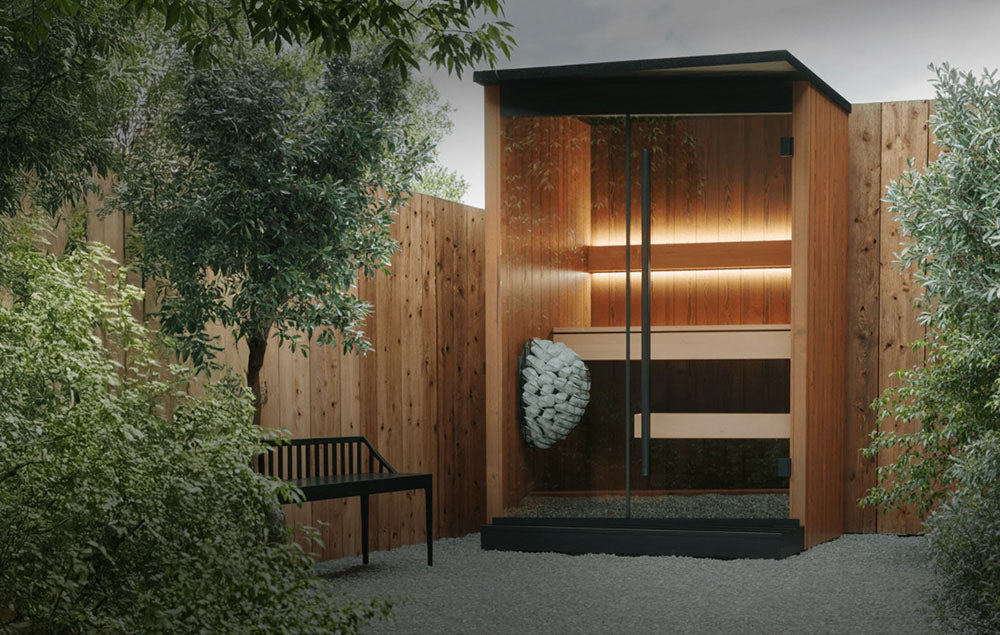
A garden sauna feels like a small building project, and in some ways it is one, but the work is far lighter than most people imagine. The appeal is obvious: a private retreat a few steps from the back door, used in the evening, in the rain and even in winter, when a warm cabin in a cold garden is at its most satisfying.
Infrared technology suits the British climate particularly well. Because there is no water, no drain and no steam, an outdoor cabin does not have to be maintained like a wet sauna, and it can be built into a garden without the plumbing and weatherproofing that a traditional sauna would require.
This guide deals with the questions that decide whether a garden cabin is a joy or a chore: where to place it, how to protect it from the worst of the weather, what the base needs to be, and how to keep using it comfortably through a full UK year. Health Mate UK has been building infrared saunas since 1979, and the guidance here is drawn from decades of outdoor installations.
Why Outdoor Saunas UK Owners Choose Infrared
The first reason so many Outdoor Saunas UK projects settle on infrared is simplicity. There is no water supply, no waste pipe and no need to weatherproof a steam room, so the cabin can be placed almost anywhere in the garden and connected to an ordinary power supply. That removes the two largest costs of a traditional outdoor sauna.
Maintenance is the third advantage. Because nothing inside an outdoor infrared cabin is exposed to constant moisture, there is no rot to fight, no damp to vent and no water to treat. Outdoor Saunas UK installations need only the same seasonal checks you would give any garden structure, plus a wipe of the bench.
Finally, there is the matter of space and privacy. A garden cabin gives you a wellness routine without a booking, a commute or a shared changing room, and it can be positioned so that it looks out over a view or a planted corner. For many owners, that combination of privacy and setting is the whole point.
Placing the Cabin in the Garden
Sun, Shelter and Access
A position that catches some shelter but not the full glare of midday sun is usually ideal. A gap between a fence and a tree, or a spot against a wall, protects the cabin from the worst of the wind and rain while keeping the route from the house short and safe underfoot, which matters on wet winter evenings.
Think about the approach as carefully as the position. A paved path to the cabin keeps shoes dry and the cabin clean, and a little lighting along the way turns a dark garden into an easy walk. Access is what determines whether a session happens on an ordinary Tuesday.
Base and Drainage
An outdoor cabin needs a flat, stable base, and that can be as simple as a paved area, a gravel pad with a frame or a timber deck built for the purpose. Good drainage around the base keeps the cabin dry underneath and is the single most useful thing you can do for the structure’s long life.
Choosing an Outdoor Infrared Sauna UK
When selecting an Outdoor Infrared Sauna UK cabin, look first at how it is built rather than how it is styled. A timber such as Canadian hemlock or cedar, tight joinery and a roof that actually sheds water matter more to a garden cabin than any decorative flourish, because they are what keep it comfortable through a wet winter.
Comfort through the year depends on good insulation and a sensible roof overhang. An Outdoor Infrared Sauna UK model that heats quickly and holds its temperature will be usable in January just as easily as in June, which is the test of whether a garden installation was worth the effort.
Protecting the Cabin Through the Seasons
Wind, Rain and Frost
The British winter asks three things of a garden cabin: shelter from driving rain, a roof that sheds water freely and a base that keeps the floor above the wet ground. Meet those three and the cabin will ride out the worst of the weather with nothing more than a seasonal check of the exterior.
Frost is rarely a problem for an infrared cabin because there is no water to freeze, which is a genuine advantage over a wet sauna. The main winter care is keeping the approach clear and safe and giving the exterior a look over for any loose fixings or vulnerable joints before the cold sets in.
A Simple Maintenance Rhythm
A light routine keeps a garden cabin in good order for years. Clear leaves from the roof and around the base, check the exterior after storms, and treat any timber as the manufacturer advises. None of it is demanding, and all of it is easier than repairing a neglected structure.
Using an Outdoor Sauna Infrared UK in Winter
The Cold-Warm Contrast
The pleasure of an Outdoor Sauna Infrared UK session in winter comes partly from the contrast between the cold air and the warm seat. Stepping out into the garden afterwards, even briefly, is a bracing finish that many owners describe as the most refreshing part of the whole ritual, and it is only available outdoors.
Because infrared heats the body directly, the cabin reaches a comfortable temperature quickly even when the outside air is cold, so a winter session does not mean a long wait or a huge energy cost. That speed is what lets an outdoor cabin be a spontaneous part of the evening rather than a planned expedition.
Making It a Year-Round Habit
The owners who use an Outdoor Sauna Infrared UK cabin most are the ones who decide in advance that winter is not an excuse. A robe hung by the door, a clear path and a fixed time slot turn a cold-season session into something to look forward to, and it is in winter that the cabin feels most worthwhile.
Where an Outdoor Sauna Infrared UK Buyer Should Look
The most useful thing an Outdoor Sauna Infrared UK buyer can do is choose a supplier who understands gardens as well as heaters. Questions about bases, drainage, positioning and roof overhang are the ones that decide whether a cabin lasts, and a knowledgeable seller will raise them before you have to.
When comparing cabins, look for a maker with a long track record of outdoor installations. An Outdoor Sauna Infrared UK cabin is exposed to wind and rain for years, so the quality of the timber, the joinery and the roof is what separates a structure that ages gracefully from one that needs replacing early.
Frequently Asked Questions
Can an infrared sauna be used outdoors all year?
Yes. Because infrared cabins use no water and produce no steam, they do not suffer from the freezing and moisture problems that affect wet saunas, so a properly built garden cabin can be used comfortably in every season, including winter.
What base does an outdoor sauna need?
It needs a flat, stable and well-drained base. A paved area, a gravel pad with a frame or a purpose-built timber deck all work well, and good drainage around the base is the most useful protection you can give the structure.
Does it need plumbing or drainage?
No. An infrared cabin has no water supply, no waste pipe and no steam to vent, so it can be placed anywhere in the garden with access to a power supply. This is the main reason infrared suits outdoor installations so well.
How do I protect it from the weather?
Choose a cabin with tight joinery and a roof that sheds water, position it where a wall or fence gives some shelter, and keep the base and surroundings well drained. A seasonal check of the exterior covers almost all of the routine care.
Is it expensive to run in winter?
Not as much as people expect, because infrared heats the body directly and the well-insulated cabin warms quickly. The cabin does not have to heat a large volume of air, so a winter session costs little more than a summer one.
Can I install it myself?
Many garden cabins are supplied flat-packed and can be assembled by two people over a day or two, while larger models may benefit from a professional fitter. A supplier who understands outdoor builds will advise on what suits your site.
Conclusion
An outdoor infrared cabin is one of the most rewarding additions a garden can take, precisely because it turns the least inviting weather into the best time to use it. The cold, wet evenings that keep people indoors are the ones that make a warm garden cabin feel most worthwhile.
The success of the project rests on a few practical decisions rather than on the cabin’s finish. A stable, well-drained base, a sheltered position with an easy path, and a build that keeps the heat in through winter will decide whether the cabin is used weekly or forgotten.
Health Mate UK has been manufacturing infrared saunas since 1979 and has supplied outdoor installations across every kind of garden, so the guidance about bases and shelter comes from experience rather than theory. That knowledge is worth leaning on when you choose where to buy.
Place the cabin well, protect the base, keep the path clear and decide in advance that winter is part of the plan. Do those things and the garden cabin will more than pay back the effort in quiet, warm evenings year after year.
Done properly, an outdoor infrared sauna becomes the most-used corner of the garden, not a fair-weather luxury. That is the standard worth aiming for, and it is well within reach.